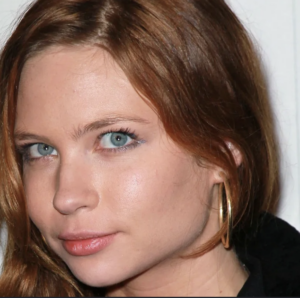
Daveigh Chase Death-When the news first broke, it felt like a heavy, collective gut punch to millennials and Gen Z alike. The internet was suddenly flooded with reports surrounding the daveigh chase death star of the ring and lilo & stitch, a phrase that feels almost surreal to read. How does someone who voiced the very essence of childhood innocence and simultaneously terrified an entire generation pass away at the incredibly young age of 35? The details surrounding her passing are as heartbreaking as they are complex. On June 16, 2026, the world lost a unique talent to a devastating combination of malnutrition, meningitis, and a blood infection that ultimately led to fatal sepsis.
But this story is so much bigger than a tragic medical event. It is a profound, deeply unsettling reflection of the entertainment industry as a whole. When we look past the sensationalist headlines, we find a tangled web of systemic failures, psychological burdens, and a legal landscape that routinely fails its most vulnerable participants. We are going to dive incredibly deep into the life, the legacy, and the broader societal implications of this tragedy. We will explore the legal philosophies that govern child stardom, compare the media’s treatment of vulnerable actors to powerful figures like Harvey Weinstein and Rudy Giuliani, and examine how a beloved icon slipped through the cracks of a multibillion-dollar industry. Grab a cup of coffee, because we are unpacking the entire story, layer by layer.
Breaking the News: The Tragic Daveigh Chase Death Star of The Ring and Lilo & Stitch
The timeline of her final days is a harrowing account of physical decline and conflicting narratives. According to reports that surfaced in mid-June 2026, Daveigh Chase had been admitted to a Los Angeles hospital earlier in the month. The initial cause for her hospitalization was severe malnutrition—a shocking revelation for a woman who had once been at the pinnacle of Hollywood success. From there, her immune system, likely compromised by her weakened state, was ravaged by meningitis and multiple severe blood infections. These infections quickly escalated into sepsis, a life-threatening condition where the body’s immune response essentially begins attacking its own organs. By Tuesday, June 16, her body simply shut down.
The news was first pushed to the public by a man named Roy Hernandez, who identified himself as her partner. Hernandez launched a GoFundMe campaign shortly before her death, pleading with the public for financial assistance to cover her mounting medical bills. He described her condition as critical and painted a picture of a woman who had struggled silently with financial instability and profound emotional challenges. However, the waters were quickly muddied when John Ryan Jr., her manager of 15 years, stepped forward. Ryan offered a starkly different narrative, remembering her as a deeply private individual who loved cats, split her time quietly in Las Vegas, and willfully turned down major studio projects to live on her own terms. The friction between her alleged boyfriend’s public pleas for cash and her manager’s insistence on her private dignity immediately sparked a media frenzy. It turned a tragic loss into a spectacle, commodifying her final moments before the public even had time to grieve.
The Dual Legacy of a Generational Talent
To understand the magnitude of this loss, we have to travel back to the early 2000s. In the year 2002, Daveigh Chase achieved something that seasoned, veteran actors spend their entire lives chasing. Within a single calendar year, she delivered two performances that cemented her place in cinematic history, occupying complete opposite ends of the emotional spectrum.
Lilo & Stitch: The Voice of Broken Families and Healing
If you grew up in the 2000s, Lilo Pelekai was more than just a cartoon character. She was a revelation. Unlike the traditional Disney princesses who sang to birds and waited for a prince, Lilo was a deeply traumatized, eccentric, and occasionally violent little girl trying to navigate the agonizing grief of losing her parents. Daveigh Chase didn’t just lend her voice to the character; she breathed a fierce, authentic life into her. The animation of Lilo & Stitch was unique, utilizing lush watercolor backgrounds that hadn’t been seen in a Disney film since Dumbo. But it was the raw, unpolished emotion in Chase’s voice that grounded the movie.
When Lilo explains the concept of “Ohana”—the Hawaiian word for family, where nobody gets left behind or forgotten—it wasn’t just a catchy movie quote. It became a cultural touchstone. Chase managed to capture the specific cadence of a child who feels entirely misunderstood by the world around her. She brought a sense of profound melancholy mixed with fierce loyalty to the role. The impact of this performance is immeasurable. Millions of children who felt out of place, who grew up in unconventional or broken homes, found a mirror in Lilo. Chase’s vocal performance carried the emotional weight of a film that tackled systemic poverty, the threat of social services tearing a family apart, and the desperate need for unconditional love.
The Ring: Redefining Psychological Horror and Winning MTV’s Best Villain
Simultaneously, in an entirely different genre, Chase was terrorizing audiences across the globe as Samara Morgan in Gore Verbinski’s remake of The Ring. The J-horror boom of the early 2000s was defined by this exact movie. Samara wasn’t a monster in a rubber suit; she was a tragic, waterlogged child with long, dark hair obscuring her face, crawling out of television sets to claim the lives of anyone who watched her cursed VHS tape.
Playing Samara was a massive physical and psychological undertaking. Chase had to master the erratic, uncanny movements that made the character so iconic. The role required hours of grueling makeup, restrictive prosthetics, and the ability to convey absolute malice without speaking a single word of dialogue. Her performance was so deeply unsettling that she won the MTV Movie Award for Best Villain in 2003, famously beating out seasoned actors like Daniel Day-Lewis in Gangs of New York and Mike Myers in Austin Powers. It was a surreal moment in pop culture history—a sweet-faced preteen walking onto the MTV stage to accept a golden popcorn trophy for giving the entire world nightmares. This unbelievable duality—the comforting warmth of Lilo and the relentless dread of Samara—showcased a range that is astonishingly rare for any actor, let alone a child.
The Psychological and Physical Weight of Child Stardom
But what happens when the cameras stop rolling? The transition from child star to working adult is notoriously fraught with peril, and Chase’s trajectory is a harrowing example of this industry-wide crisis. When you are a child actor, your entire formative experience is warped. You are expected to exhibit the emotional maturity of an adult on set, yet you are completely stripped of autonomy in your personal life. Your childhood is commodified. Every awkward phase, every mistake, and every personal hardship is documented, scrutinized, and sold for public consumption.
For Daveigh Chase, the pressure was compounded by the intense public association with two massively iconic roles. How do you carve out an identity when the world only wants to see you as the girl from the cursed tape or the voice of an animated Hawaiian child? While she continued to work steadily—lending her voice to Chihiro in the phenomenal English dub of Hayao Miyazaki’s Spirited Away, and appearing in cult classics like Donnie Darko and HBO’s Big Love—the shadow of her early success loomed incredibly large. The psychological weight of living up to those early accolades, combined with the relentless grind of auditions, rejections, and industry expectations, creates a perfect storm for mental health struggles. The malnutrition and emotional challenges noted by her partner at the time of her death do not happen in a vacuum. They are the devastating end results of a prolonged, quiet battle that many former child stars wage away from the flashing lights.
A Downward Spiral: Personal Hardships and Stepping Away
By 2016, Daveigh Chase had effectively stepped away from the entertainment industry. Her departure wasn’t accompanied by a grand press release; it was a quiet fade into the background, overshadowed by a series of deeply troubling personal and legal issues. The narrative shifted from her acting accolades to police blotters and tabloid headlines.
In early 2017, she was involved in a highly publicized incident that deeply shocked her fanbase. She was questioned by police after leaving a dying man outside of a Los Angeles hospital. While she was never considered a suspect in his death—which was ruled a suspected overdose—the optics of the situation painted a grim picture of the circles she was moving in. Later that same year, she faced arrests related to riding in a stolen car and possessing a controlled substance. These weren’t the actions of a hardened criminal; they were the unmistakable red flags of a young woman in profound distress.
Yet, instead of receiving grace or intervention, she was ridiculed. The media gleefully published her mugshots, juxtaposing them with pictures of her as an innocent child on the red carpet. The bullying, financial instability, and emotional turmoil created an inescapable cycle. When someone is battling addiction, trauma, or severe mental health crises, the absolute worst place to do it is in the unforgiving arena of public opinion. She eventually disappeared from social media entirely, making her final Instagram post in late 2017. For almost a decade, she lived as a ghost in the very city that had once celebrated her as a prodigy.
Legal Philosophy: Hollywood’s Broken Duty of Care
To truly comprehend the daveigh chase death star of the ring and lilo & stitch tragedy, we have to engage in a serious discussion about legal philosophy. Specifically, we must examine the concept of “Duty of Care” within tort law and how it spectacularly fails child entertainers. In the legal world, a duty of care is a fiduciary obligation imposed on an individual or organization to adhere to a standard of reasonable care while performing acts that could foreseeably harm others.
The Evolution of Minor Protections and the Coogan Act
Historically, the entertainment industry has viewed children not as vulnerable dependents, but as highly lucrative properties. In the 1930s, the egregious financial exploitation of child actor Jackie Coogan led to the creation of the California Child Actor’s Bill, universally known as the Coogan Act. This law requires that a portion of a child actor’s earnings (usually 15%) be placed in a blocked trust account until they reach adulthood. It was a landmark piece of legislation, rooted in the legal philosophy of parens patriae—the doctrine granting the state the authority to protect those who cannot legally act on their own behalf.
The Gap Between Financial Protection and Human Welfare
But here is the massive, glaring flaw in this legal framework: the Coogan Act only protects money. It does absolutely nothing to protect the mind, the body, or the spirit of the child. There is no legal mandate requiring studios to provide ongoing psychological support, financial literacy training, or transition counseling for child stars once their utility to the network expires. The legal philosophy driving Hollywood is inherently transactional. Once a child ages out of their “cute” phase, the corporate duty of care evaporates instantly.
From a legal standpoint, studios are insulated from the long-term damages they inflict. If a factory exposes a worker to toxic chemicals, the worker can sue for negligence decades later. But if a Hollywood studio exposes a child to the toxic, psychologically damaging environment of child stardom, resulting in adult substance abuse, malnutrition, and premature death, there is no legal recourse. The law views the emotional destruction of child stars as an unfortunate byproduct of fame, rather than a legally actionable breach of duty. This philosophical gap in the law allows the industry to continuously chew up and spit out young talents like Daveigh Chase with zero accountability.
Systemic Failures and Notable Cases: Harvey Weinstein to Rudy Giuliani
When we zoom out and look at the broader legal and media landscape, the tragic irony of how society treats its most vulnerable versus its most powerful becomes sickeningly clear. The environment that failed Daveigh Chase is the exact same ecosystem that enabled some of the most notorious legal scandals in modern history.
The Harvey Weinstein Effect: Power Dynamics and Contractual Silence
Take, for example, the case of Harvey Weinstein. While Daveigh Chase’s struggles were not directly linked to him, the legal mechanisms that allowed Weinstein to operate as a predator for decades are fundamental to understanding Hollywood’s systemic rot. For years, the legal philosophy of “freedom of contract” was weaponized against vulnerable actors through Non-Disclosure Agreements (NDAs). Weinstein used high-powered attorneys to enforce a culture of contractual silence.
The legal system prioritized the protection of corporate assets and reputations over human safety. When powerful men manipulate the law to build fortresses around their abuses, the vulnerable actors at the bottom of the hierarchy are left entirely unprotected. The #MeToo movement forced a massive reckoning, fundamentally altering the legal philosophy surrounding workplace harassment and the enforceability of NDAs. Yet, that reckoning came too late for countless young women who had already been driven out of the industry, traumatized, or pushed into substance abuse. Hollywood is a town built on extreme power imbalances, where the law acts as a shield for the elite and a sword against the marginalized.
Rudy Giuliani, Defamation, and the Court of Public Opinion
Contrast the media’s treatment of a struggling former child actress with how powerful political and public figures navigate the legal system. Consider the defamation cases involving Rudy Giuliani. Following the 2020 election, Giuliani became embroiled in massive defamation lawsuits, with plaintiffs demanding public accountability for statements that destroyed reputations and lives. The legal philosophy underlying these cases revolves around the First Amendment and the New York Times Co. v. Sullivan standard, which makes it incredibly difficult for public figures to win defamation suits unless they can prove “actual malice.”
But look at the disparity in how the media operates. When powerful men like Giuliani face legal and public scrutiny, they have teams of lawyers, PR firms, and massive platforms to control the narrative, file counter-suits, and manipulate the court of public opinion. When a troubled 26-year-old Daveigh Chase was arrested, she had no PR crisis team. The tabloids published her lowest moments without fear of defamation suits because the truth of her arrests served as an absolute legal defense. The media weaponized her trauma for clicks, hiding behind the legal philosophy that public figures have a diminished expectation of privacy. The press will relentlessly hound a young woman battling addiction, destroying whatever is left of her mental health, while tiptoeing around powerful billionaires and politicians who have the financial capital to bury them in litigation. It is a dual-tiered justice system, both in the courts and in the media.
Media Presence and the Commodification of Tragedy
This brings us to the immediate aftermath of the daveigh chase death star of the ring and lilo & stitch news. The way her death was reported is a masterclass in the dark arts of modern digital journalism. Within minutes of the news leaking, the internet was ablaze with SEO-optimized articles designed purely to generate ad revenue from a tragic loss.
The Conflicting Narratives: Roy Hernandez vs. John Ryan Jr.
The most disturbing element of the media coverage was the immediate commodification of her final days. Roy Hernandez, identifying himself as her boyfriend, went straight to the media and set up a GoFundMe page. He utilized the tragic details of her malnutrition and sepsis to solicit donations from grieving fans. But almost simultaneously, Daveigh’s ex-manager, John Ryan Jr., gave an interview to the BBC painting a completely different picture. He emphasized her privacy, her love for animal rescue, and her intentional withdrawal from the spotlight. Her family and former representation openly questioned the identity and motives of the partner soliciting funds.
The Ethics of Digital Journalism and GoFundMe
This conflict highlights a terrifying aspect of modern media presence: the monetization of grief. Platforms like GoFundMe have revolutionized charitable giving, but they have also created a bizarre ecosystem where tragedy must be aggressively marketed to go viral. The media didn’t pause to verify the legitimacy of the fundraiser or wait for an official autopsy report; they published the boyfriend’s statements as absolute fact because it generated immediate outrage and engagement.
Journalistic ethics require a duty to minimize harm, but the digital news cycle is governed by a completely different philosophy: be the first to publish, regardless of the collateral damage. The conflicting narratives surrounding her death robbed Daveigh Chase of her dignity in her final moments. Instead of a respectful retrospective on her brilliant acting career, her death was reduced to a sordid mystery involving alleged malnutrition, a disputed boyfriend, and a digital tip jar. It is a grim reflection of how society consumes celebrity culture—we demand access to their highest triumphs, and we gorge ourselves on their most painful tragedies.
Community Impact: Mourning an Icon Across Fandoms
Despite the ugly media circus, the community impact of Daveigh Chase’s passing has been profoundly beautiful and deeply moving. Her death rippled through two fiercely loyal, yet vastly different, subcultures: the Disney animation fandom and the horror community.
On social media platforms, the tributes poured in by the tens of thousands. Horror aficionados shared deep-dive analyses of her physical acting in The Ring, praising her for creating a monster that genuinely defined the aesthetic of early 2000s terror. They remembered the visceral fear of seeing Samara crawl out of the well, recognizing that it was Chase’s commitment to the role that made the illusion work.
Conversely, the Disney community mourned the loss of their Lilo. Countless fans shared clips of her most poignant voiceover moments, specifically the scenes where Lilo talks about feeling broken and needing her older sister. The phrase “Ohana means family” trended worldwide, but this time, it carried a heartbreakingly somber tone. Fans expressed immense sorrow that the girl who taught an entire generation about the importance of family and belonging seemingly died under circumstances of severe isolation and physical neglect.
Furthermore, her passing has sparked vital, community-led conversations about mental health, the unseen realities of substance abuse, and the long-term impact of childhood fame. Advocacy groups for child entertainers have used her story as a tragic case study, demanding better mental health resources and systemic reforms within the Screen Actors Guild. Her legacy is no longer just on the screen; it is serving as a catalyst for a desperately needed dialogue about compassion, intervention, and the human cost of our entertainment.
Frequently Asked Questions About Daveigh Chase
To provide complete clarity on this complex story, here are some of the most frequently asked questions regarding her life, career, and tragic passing.
What was the official cause of Daveigh Chase’s death? According to statements made to the press by her alleged partner, Roy Hernandez, and later confirmed by media outlets, Daveigh Chase passed away from a combination of severe medical complications. She was reportedly hospitalized for malnutrition, which weakened her system, leading to a diagnosis of meningitis and multiple severe blood infections. These infections escalated into sepsis, causing her body to shut down on June 16, 2026.
How did Daveigh Chase become famous? Daveigh Chase achieved global fame in 2002 through two monumental roles. She provided the voice for Lilo Pelekai in Disney’s critically acclaimed animated feature Lilo & Stitch. That same year, she physically portrayed the terrifying antagonist Samara Morgan in Gore Verbinski’s horror blockbuster The Ring, a role that won her the MTV Movie Award for Best Villain. She also gained a massive cult following for her voice work in the English dub of Studio Ghibli’s Spirited Away and her role as Samantha Darko in the sci-fi cult classic Donnie Darko.
Why did Daveigh Chase stop acting? Chase slowly stepped away from the entertainment industry around 2016. While she never issued a formal retirement statement, reports indicate that she was battling severe personal hardships, including bullying, financial instability, and emotional challenges. The intense pressure of child stardom, combined with personal struggles, led her to seek a more private life away from the relentless scrutiny of Hollywood.
What legal troubles was Daveigh Chase involved in? In her late twenties, Chase faced several highly publicized legal issues. In 2017, she was questioned by LAPD after leaving a dying man outside a hospital; she was not a suspect in his death, which was ruled a suspected overdose. Later, she faced misdemeanor charges for riding in a stolen vehicle and a separate arrest for possession of a controlled substance. These events marked a turbulent period in her life that the media heavily documented.
Who is Roy Hernandez and why is there controversy surrounding him? Roy Hernandez identified himself as Daveigh Chase’s partner at the time of her death. He broke the news of her passing and created a GoFundMe campaign to raise money for her medical expenses. However, controversy erupted when her former manager of 15 years, John Ryan Jr., and other close associates publicly questioned Hernandez’s identity and narrative, noting that Chase was a deeply private person who lived a quiet life. This created a highly publicized conflict over the true circumstances of her final days.
Final Thoughts on a Hollywood Tragedy
The story of the daveigh chase death star of the ring and lilo & stitch is a multifaceted tragedy that defies simple categorization. It is incredibly easy, and perhaps comforting, to write this off as just another cliché story of a child star gone off the rails. But doing so completely absolves the machinery that built her up and tore her down. Daveigh Chase was a prodigy. She possessed a once-in-a-generation talent capable of breaking our hearts with a simple animated voiceover and stopping our hearts with a terrifying, wordless stare.
Her untimely death at the age of 35 is a devastating indictment of an industry that treats human beings as disposable commodities. The legal frameworks in place are fundamentally broken, offering financial escrows while completely ignoring the psychological devastation of fame. The media ecosystem is predatory, eagerly profiting off the mugshots and medical tragedies of vulnerable young women while powerful men use the legal system to shield their own atrocities.
As we remember Daveigh Chase, we must hold onto the duality of her legacy. We must remember the terror she brilliantly brought to life as Samara, and the profound, healing love she voiced as Lilo. But more importantly, we must remember the human being behind the screen—a woman who deserved the very grace, intervention, and “Ohana” that she so beautifully taught to the rest of the world. Her passing should not just be a fleeting headline; it must serve as a permanent, glaring reminder that behind every iconic performance is a fragile human life that requires care, compassion, and protection long after the director yells cut.